If you ask most parents today what they want from a preschool, the answer is no longer just “good academics.” Urban families, especially in fast-growing cities like Noida, are seeking something more complete, a nurturing space that supports cognitive, emotional, physical, and social growth. That’s why many are turning to a Holistic Learning Playschool in Noida, where development goes beyond textbooks and into the realm of whole-child education.
This growing preference has a name: holistic learning. In early education, it means creating a balanced environment where academic concepts are introduced alongside creativity, play, movement, and emotional growth. And for parents exploring the right preschool, understanding this shift is essential to making a choice that will set the foundation for a lifetime of confident learning.
Understanding Holistic Learning in Early Childhood
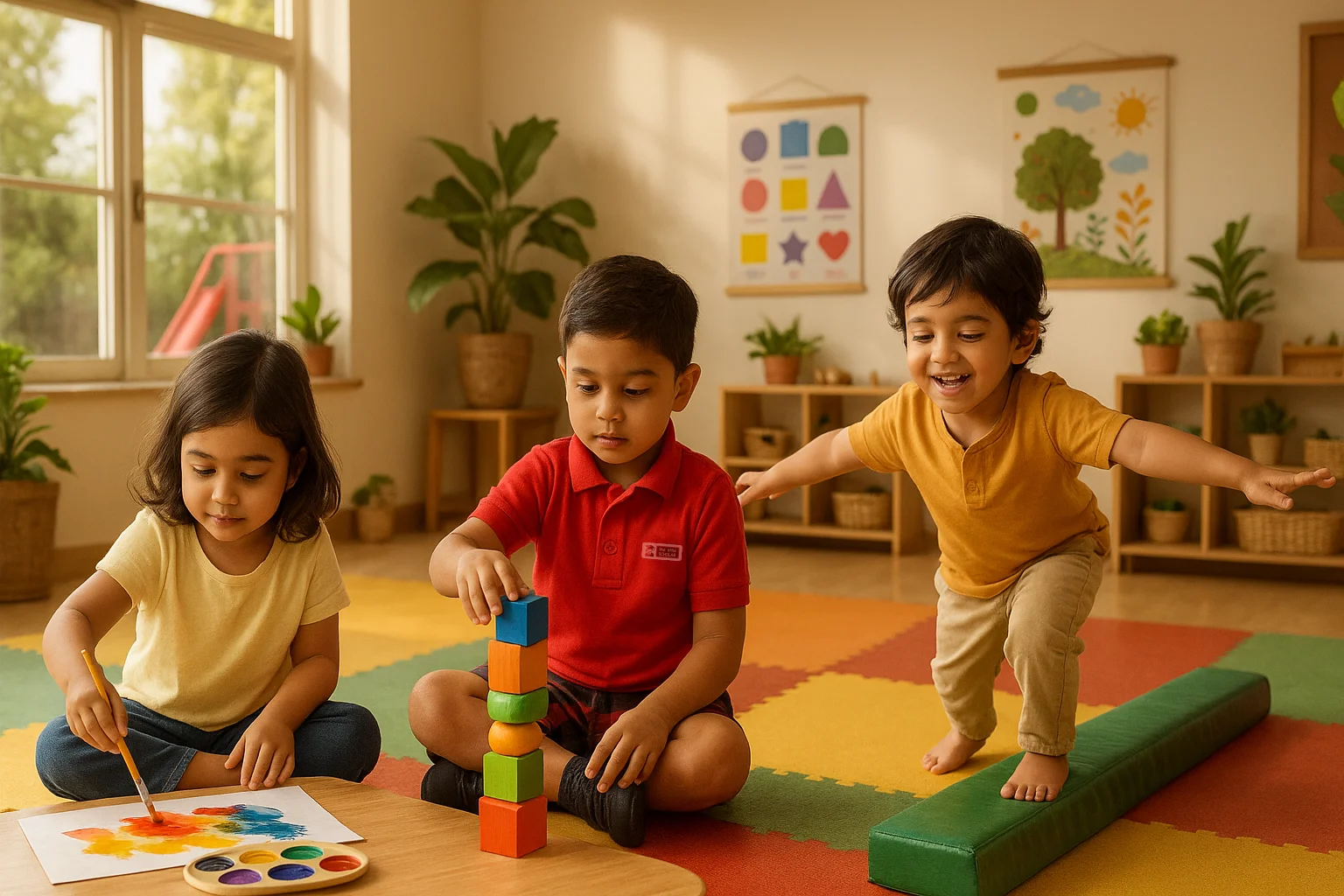
Holistic learning respects the fact that young children are naturally curious and learn best when all aspects of their development are nurtured. Instead of focusing solely on letters and numbers, it integrates:
- Cognitive skills through structured and unstructured activities.
- Creative skills through art, music, and imaginative play.
- Physical well-being through outdoor games, yoga, and free movement.
- Emotional intelligence through group play, storytelling, and guided discussions.
In a metropolitan context like Noida, this approach becomes even more relevant. Many children here experience more screen exposure, fewer hours outdoors, and busier schedules than those in smaller towns. Holistic curricula help balance this by offering spaces to run, create, and connect, not just learn.
Why Noida’s Education Landscape is Evolving
Noida is unlike many Indian cities in its mix of modern infrastructure, globally exposed families, and strong emphasis on education. With a large segment of well-educated parents, many working in corporate or entrepreneurial roles, there’s a higher demand for preschools that go beyond rote learning.
Recent market insights show India’s preschool and childcare sector was valued at nearly $958 million in 2023, with a remarkable 19.2% growth rate. Noida is one of the most active contributors to this expansion. Here, even neighborhood schools are adopting elements of internationally recognized systems like Montessori, Waldorf, and Reggio Emilia, alongside newer additions such as STEM-based activities and mindfulness exercises. (source : Indiatoday.in)
Parents are increasingly aware that a playschool in Noida needs to prepare children for both academic readiness and life skills a combination that holistic learning addresses naturally.
Popular Holistic Learning Approaches in Playschools
While “holistic” can sound abstract, in Noida’s preschools it takes very specific forms:
Montessori Method
Encourages independence, hands-on learning, and respect for each child’s natural development pace. Montessori classrooms use sensory-rich materials, and children choose activities based on their interests.
Seen in: GIIS Sector 132, Amity Sector 44 & The Little Scholar Sector 19.
Waldorf Education
Centers around creativity, storytelling, nature-based learning, and a rhythmic daily routine. It avoids early screen exposure, preferring activities that engage the senses and imagination.
Seen in: The Little Scholar Sector 19
Reggio Emilia Approach
Child-led, collaborative projects form the core of this approach. Children are seen as active participants in their learning, exploring themes through art, building, and discussion.
Seen in: Shemrock, GAIA in Sector 93 & The Little Scholar Sector 19.
Playway Method
Focuses on “learning by doing” through role play, music, movement, and games. Activities are designed to teach concepts without the rigidity of formal instruction.
Seen in: Bal Bharati, Khaitan School, Sector 40 & The Little Scholar Sector 19.
Most playschools in Noida blend these methods rather than following one strictly, allowing flexibility to meet local community needs. Many even invite parents to observe through open days or interactive workshops.
Benefits of Holistic Learning for Urban Children
The advantages go far beyond keeping children entertained:
- Problem-solving & Creativity: Children learn to approach challenges with curiosity and think outside the box through art, STEM kits, and open-ended play.
- Emotional Intelligence: Group work teaches sharing, patience, and empathy. Guided discussions help children express their feelings.
- Healthy Lifestyle Habits: Sports, dance, and yoga sessions build motor skills, discipline, and an active mindset from an early age.
- Social Skills: Exposure to children from different backgrounds in a metro city like Noida builds adaptability and communication skills.
Research continues to show that these skills form the foundation for both academic success and personal well-being later in life.
How Parents Can Identify a Holistic Playschool
Not all preschools that claim to be “holistic” deliver on that promise. Parents can look for these signs:
- Curriculum Diversity: Integration of multiple teaching styles (Montessori labs, music/dance rooms, project corners).
- Outdoor & Indoor Balance: Safe, green play areas, along with spacious indoor activity zones.
- Teacher Involvement: A low student-to-teacher ratio, ideally 1:7 to 1:10, ensures personalized attention.
- Parent Engagement: Opportunities for classroom observation, regular feedback, and skill-building workshops for families.
In many playschools in Noida, these elements are now becoming standard, but visiting in person during activity hours is still the best way to get an authentic impression.
The Future of Early Learning in Noida
Looking ahead, the trend is clear: holistic education will only deepen its presence in the city’s preschool scene.
- Technology Meets Creativity: Smart classrooms, interactive apps, and VR tools will be blended with imaginative play to keep learning engaging and relevant.
- Parent Advocacy: More schools are creating platforms for parents to co-design parts of the curriculum, reinforcing the home–school connection.
- Hybrid Models: Combining international pedagogies with Indian cultural elements, like festivals, folk art, and regional music, is becoming increasingly common.
This hybridized, culturally sensitive approach ensures that children develop a sense of identity alongside global readiness.
A Nod to Sector 19’s Community-Centric Playschools
Sector 19 and its surrounding areas have quietly emerged as one of Noida’s most community-driven preschool hubs. Playschools here often extend the classroom into neighborhood parks, involve parents in school events, and build strong teacher–parent partnerships. For families living nearby, having such accessible, community-focused options means children benefit from both innovative curriculum design and the comfort of familiar surroundings. It’s no surprise that many parents here feel their child’s preschool years are as much about belonging as they are about learning.
Conclusion
Choosing the right preschool is about much more than convenience or reputation, it’s about finding a space that understands the unique needs of urban children. A playschool in Noida that embraces holistic education provides not just early literacy and numeracy, but also curiosity, empathy, and resilience. As Noida continues to grow, its preschools are proving that academics and all-round development can coexist beautifully. For parents, this means more opportunities than ever to select an environment that will help their child thrive both inside and outside the classroom. If you’re beginning your search, make a shortlist, visit schools during their active hours, and talk to teachers about how they integrate academics with creativity and physical play.
And for families in and around Sector 19, one trusted local example is The Little Scholar known for blending modern curriculum innovation with a warm, community-centered approach.
Looking for a daycare in Noida? Visit TLS daycare at www.tlsdaycare.com