
When parents talk about their child’s future, they usually think of school, marks, and careers. But the real foundation is laid much earlier. The early years shape a child’s behaviour, curiosity, confidence, and the way they look at the world. This is why early childhood education matters more than most people realise.
At Little Scholar in Ghaziabad, these early years are treated with care. The focus is on helping children feel safe, happy, and eager to explore. If you have ever wondered what actually happens in a good early learning program, this guide will walk you through how early childhood education works inside a warm, child friendly environment.
Why Early Childhood Education Matters
Young children are taught using simple ways. They use touch, questioning, singing, playing, and watching others as their learning styles. Early childhood education uses these natural behaviours to help them grow without making learning feel heavy or complicated. This idea also connects to the importance of early childhood care and education, underscoring that children need attention, affection, and gentle guidance alongside learning. To support, they are freer and ready to walk in a new direction. Research has shown that children who go through strong early childhood education often find it easier to adjust to school, form friendships, and solve problems. This is what Little Scholar takes into account when designing its classrooms, routines, and activities.
What Makes Little Scholar Different
Enter a classroom at Little Scholar, and you would see children trying their hands at puzzles, painting, or storytelling. The atmosphere in the room is not stressful. This is what good early childhood education looks like in real life.
A Space Where Children Feel Comfortable
This is because children learn in a relaxed state. Educators work on helping every child feel comfortable during the day, become familiar with the routines, and find ways to share their feelings. This emotional support is a core part of early childhood education because confident children learn naturally.
Learning Through Play
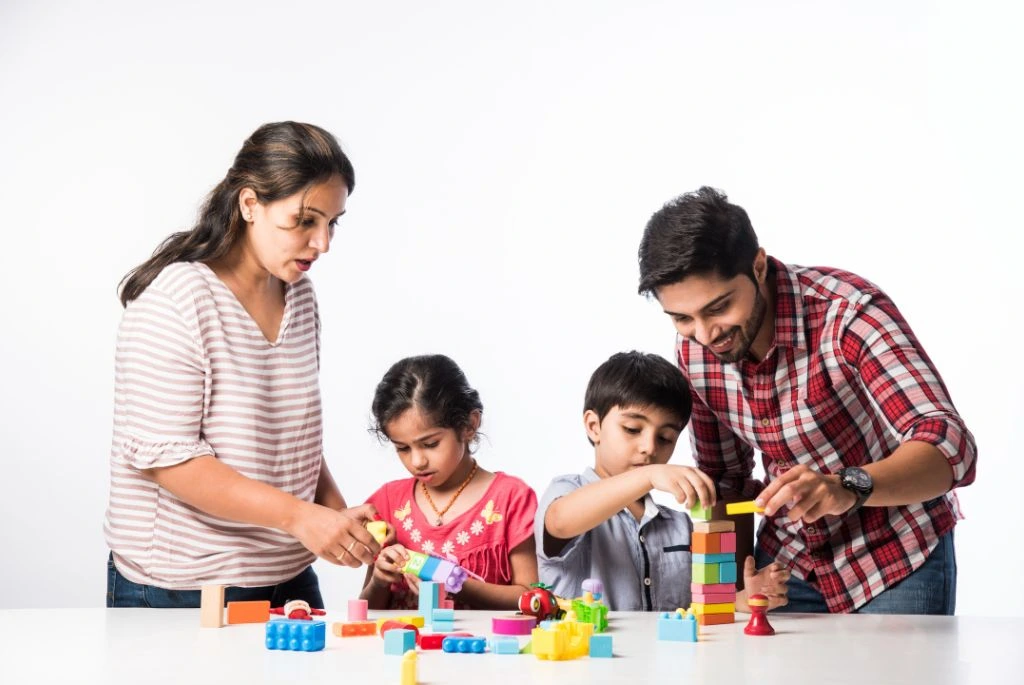
The basic learning is play. Children play with blocks, sort objects, make up stories, and play outside. These mere instances provide them with problem-solving, sharing, colours, numbers, imagination, and patience. It is one of the reasons early childhood education feels enjoyable for them.
Teachers Who Understand Children.
The teachers at Little Scholar know how to lead the little minds. They watch mildly, ask easy questions and make children do things themselves. Their approach reflects the importance of early childhood care and education because care and patience are as critical as teaching.
What Children Learn During Early Childhood Education
Parents often wonder what exactly their child learns at this age. The solution lies in a combination of everything required for a good start in life.
Social and Emotional Skills
Children are taught how to share, wait, discuss their feelings, and find friends. These teachings form part of their personality.
Language and Communication
Storytelling, songs and conversations enable children to talk clearly, build sentences and communicate. This is a key part of early childhood education because communication helps them learn faster later on.
Cognition and Critical Analysis.
Children compare shapes, count items, notice patterns, and see how something works. These competencies enhance their interest.
Motor Skills
Drawing, running, playing with clay, climbing, and similar activities help make children more coordinated and confident.
Creative Expression
Children think freely with the aid of art, music, and role-play. Little Scholar treats creativity as an essential part of early childhood education rather than an extra activity.
How Activities Shape Learning
Activities planned aid children in learning concepts straightforwardly and naturally. Activities help teachers assist children in exploring new ideas, interacting with classmates, and communicating. These practical experiences help teachers understand each child’s strengths and provide better guidance.
Why Many Families Trust Little Scholar
The warm environment, the considerate teaching style, and the high values that inform the school are the most common reasons parents discuss Little Scholar.
A Balanced Approach
Children learn through stories, play, sports, music, and early academics. This makes early childhood education complete and meaningful.
Healthy Eating and Physical Activity.
Children require nutrition and a regular schedule. The food keeps them in motion, and the diet trains them to have discipline in a non-invasive manner.
Parent Teacher Partnership
Little Scholar believes that early childhood education works best when parents stay involved. The teachers stay in touch with families and accept the ideas.
An Easy Transition to Primary School.
By the time children are transferred to upper classes, they know classroom behaviour, basic concepts, and routines. This is one of the most significant benefits of early childhood education.
Why Early Learning Should Not Be Delayed
Choosing a strong early childhood education is one of the best things a parent can do. It develops trust, interest, and good behaviour. Children who receive good early childhood education often grow into independent and expressive learners.
Little Scholar is a place where children learn to interact freely, stay safe, and develop habits that last a lifetime.
Final Thoughts
Childhood goes by fast, yet it is the determinant of what is to follow. Children naturally grow and thrive when care and learning are properly combined. Little Scholar creates this environment through thoughtful early childhood education that supports every child’s growth.
In case you desire your child to start their way in a cosy and cheerful atmosphere, then Little Scholar is the right place.
FAQs
It is a form of learning and development that occurs between birth and about age eight. It is dedicated to emotional, social, physical, and early academic development through child-friendly, simple experiences.
It involves providing young children with a good balance of care, play, learning activities, and early exposure to academic life so they can develop with a great deal of confidence.
Infant stage from birth to two years.
Toddler stage from two to three years.
Preschool stage from three to five years.
Early primary stage from five to eight years.